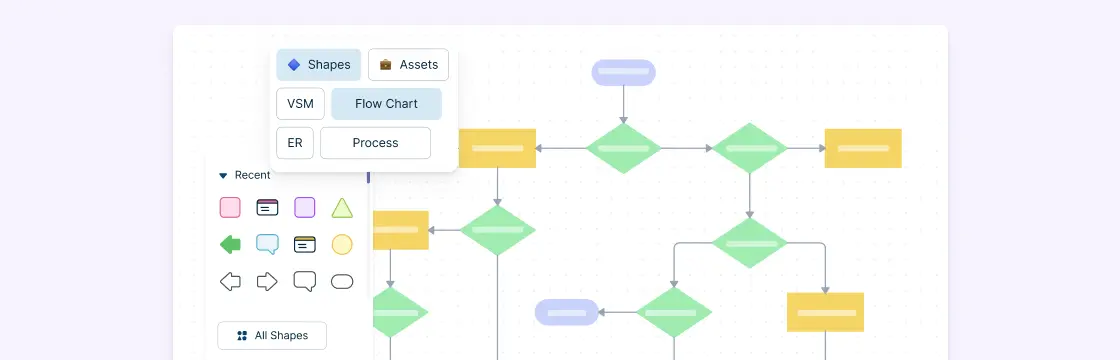
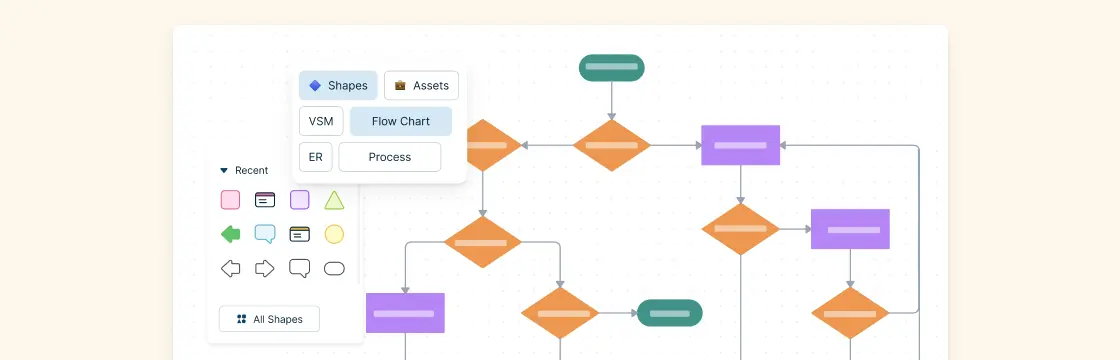
Easily visualize your processes and workflows with smart automation.
Create visual organizational structures with images and detailed profiles.
Visualize concepts and their relationships on an infinite visual canvas.
Map family history and understand the relationships with detailed genograms.
Visualize relationships between entities using Crows Foot or Chen notation.
Visualize your network infrastructure. Support AWS, CISCO, Azure and more.
Visualize and expand your ideas using our powerful mind mapping tool.
Easily create family trees with our professionally designed templates.
Infinite canvas to add diagrams, images, sticky notes and more.
Run collaborative meetings, workshops or brainstorming sessions.
Collaborative diagramming for educators and students at discounted rates.
Log In
Sign Up Free
If your sales team feels like it’s constantly chasing leads, juggling scattered workflows, or struggling with slow deal cycles, you’re not alone. Many teams lose valuable time and revenue simply because there’s no clear, shared roadmap for the sales process. That’s where sales process mapping comes in. By visually outlining every step—from lead generation to closing—you can eliminate confusion, align your team, and make your sales workflows faster, clearer, and more effective. In this guide, we’ll walk you through what sales process mapping is, its key components, practical examples, ready-to-use templates, and actionable tips to optimize your sales process for maximum results.
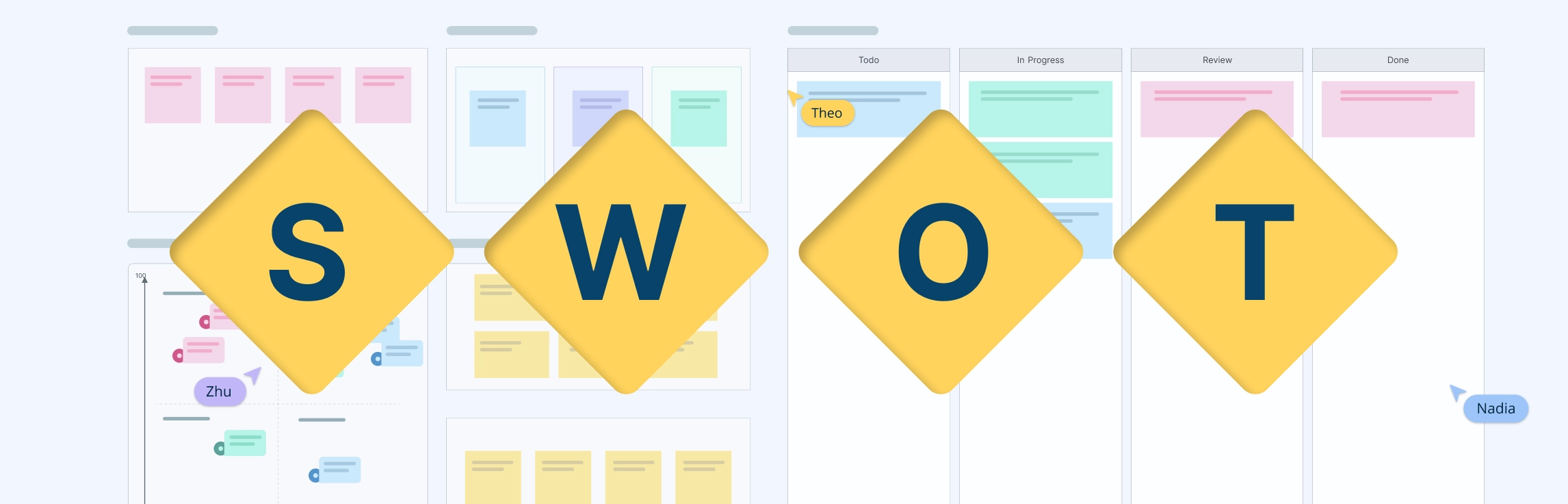
If you’ve ever tried creating a SWOT analysis in Word, you’ve probably felt the friction from tables that won’t align, to layouts that break as you edit, and versions that quickly get out of sync. In this guide, you’ll learn detailed steps of how to create a SWOT analysis in Word, and where Word starts to fall short for strategic work. We’ll also explore better alternatives when you need more flexibility and collaboration, along with free SWOT templates to help you move faster and plan with confidence.
Creating a clear, professional SWOT analysis in PowerPoint can feel simple at first, until layouts start shifting, text boxes misalign, and your slide becomes hard to read. This guide walks you through everything you need to know, from building a SWOT diagram step by step to understanding the common challenges that come with PowerPoint’s manual formatting. After you’ve mastered how to present a SWOT analysis in PowerPoint, we’ll explore a better alternative and free templates that make the process faster, cleaner, and more presentation-ready.
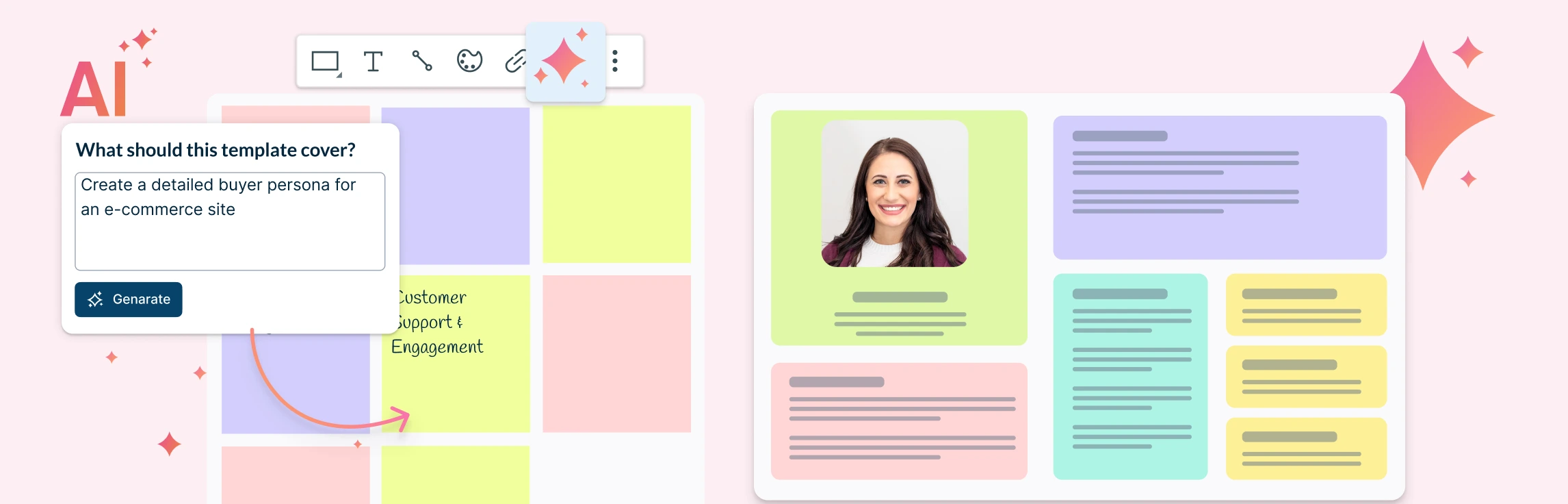
Creating accurate buyer personas has always been a cornerstone of effective marketing, but traditional methods like surveys, interviews, and manual research are time-consuming, biased, and quickly outdated. This is where Buyer Persona AI comes in. By leveraging artificial intelligence, businesses can quickly build personas that are richer, more precise, and continuously updated. With Buyer Persona AI, marketers and product teams gain a clearer picture of their ideal customers, helping them craft campaigns, content, and solutions that truly resonate.
Reaching every customer individually isn’t possible, but creating buyer personas gives you a practical framework to understand your audience at scale. By grouping shared traits and behaviors, you can focus your marketing more effectively. This guide will walk you through the steps to build clear, actionable buyer personas that strengthen your messaging and strategy.
Running a marketing campaign without a clear plan can feel overwhelming. That’s where roadmap templates come in—they give you a simple way to organize tasks, align your team, and stay on schedule. In this guide, we’ll explore a collection of marketing campaign roadmap templates you can use to plan and execute campaigns more effectively.
What Is a B2B Buyer Persona? A B2B Buyer Persona is a semi-fictional profile of a company’s ideal business customer, built using real data, research, and insights. It describes the type of person (or group of people) inside an organization who is involved in evaluating, influencing, and making purchase decisions for B2B products or services. Unlike simple demographics, a B2B persona goes beyond who the buyer is and explains why, how, and under what conditions they buy.
Why Buyer Persona Development Matters Buyer persona development is essential for building customer-centric strategies. By capturing real motivations, behaviors, and challenges, personas give businesses a clearer view of who they are serving. This deeper understanding helps organizations connect with audiences more effectively, make informed decisions, and drive long-term growth.
Buyer Persona Meaning A buyer persona is a semi-fictional profile that represents your ideal customer, based on a mix of real data and educated insights about their demographics, behaviors, motivations, goals, and challenges. Instead of describing your audience in broad strokes, a buying persona zooms in on a specific type of customer by giving them a name, a role, and a backstory so your team can easily visualize who you’re talking to.
A buyer persona is a semi-fictional profile of your ideal customer, built from real data and informed assumptions. It goes beyond demographics to include motivations, challenges, buying behavior, and preferred communication channels. Accurate personas form the foundation of effective marketing, helping you move past generic profiles to craft messaging, products, and experiences that resonate. This guide shares buyer persona examples to inspire targeting strategies for both individual consumers and complex B2B decision-makers.
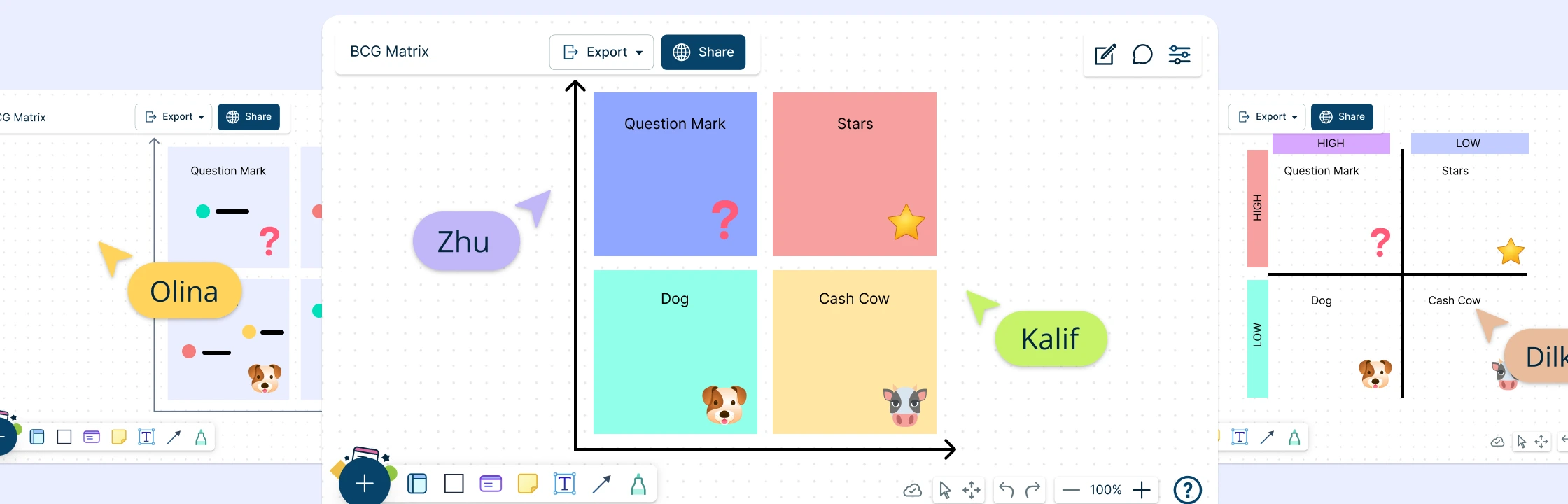
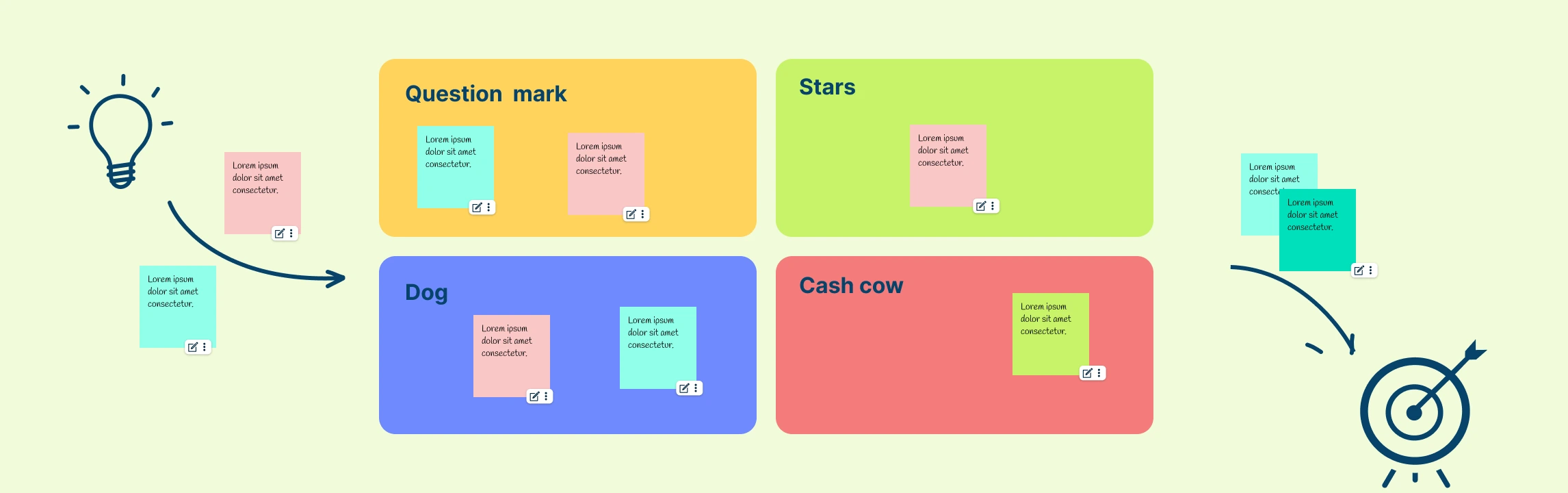
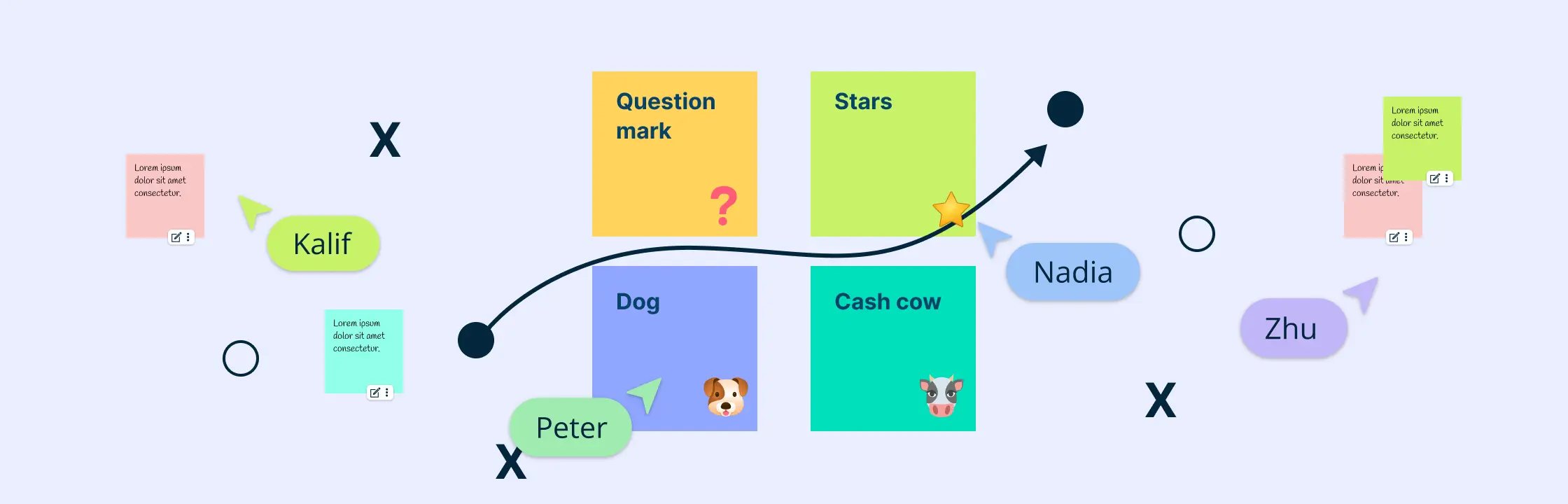
The BCG Matrix provides a structured way to manage your product portfolio by analyzing market growth and share. This guide covers the definition, the four quadrants of the BCG model, practical uses, benefits, limitations, and tips to help you allocate resources and drive business growth.
What is the BCG Matrix Analysis BCG matrix analysis is a strategic tool developed by the Boston Consulting Group to evaluate a company’s portfolio by plotting each product or business unit against two axes: relative market share and market growth rate. The analysis highlights which offerings drive growth, generate steady cash flow, or consume resources without adequate return.
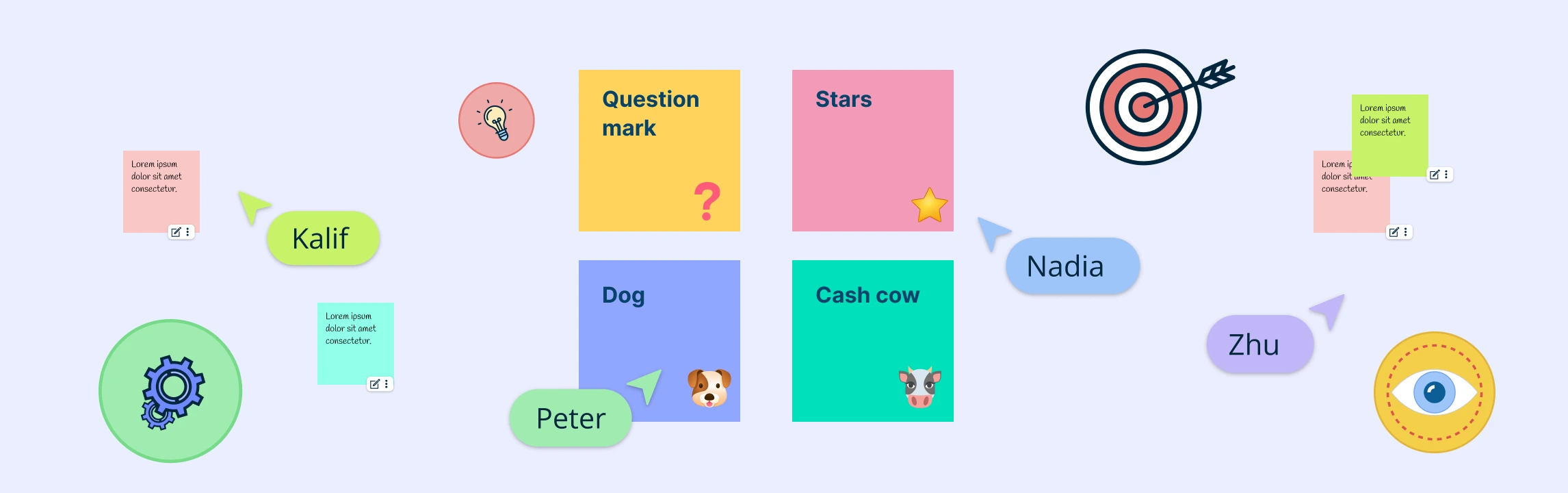
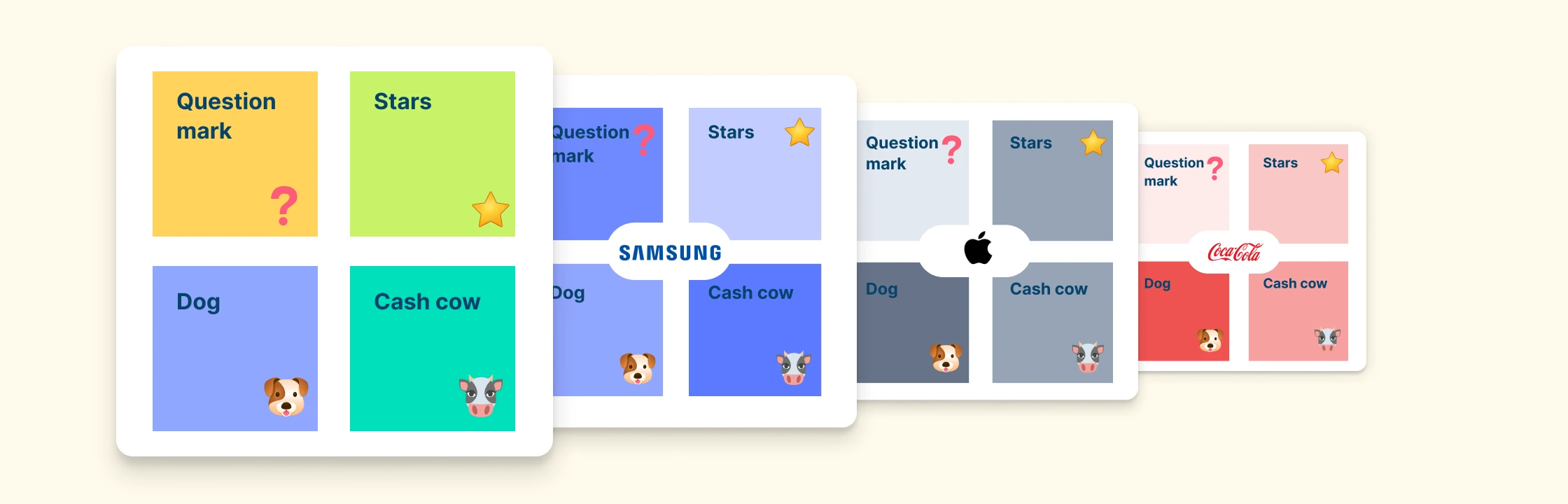
What is the BCG Matrix in Marketing The BCG Marketing Matrix, also known as the Boston Consulting Group Matrix or Growth-Share Matrix, is a strategic tool used by marketers to evaluate a company’s product portfolio. It categorizes products into four quadrants (Stars, Cash Cows, Question Marks, and Dogs) based on their market growth rate and relative market share. This framework helps businesses allocate resources more effectively and tailor marketing strategies according to each product’s performance and market position.
The BCG Matrix, developed by the Boston Consulting Group, is a strategic tool used for analyzing a company’s portfolio of products or business units. This matrix helps in understanding the balance between products that generate cash and those that require investment to grow, guiding strategic decision-making. This guide includes 19 real-world Boston matrix examples to illustrate how businesses apply it in practice.
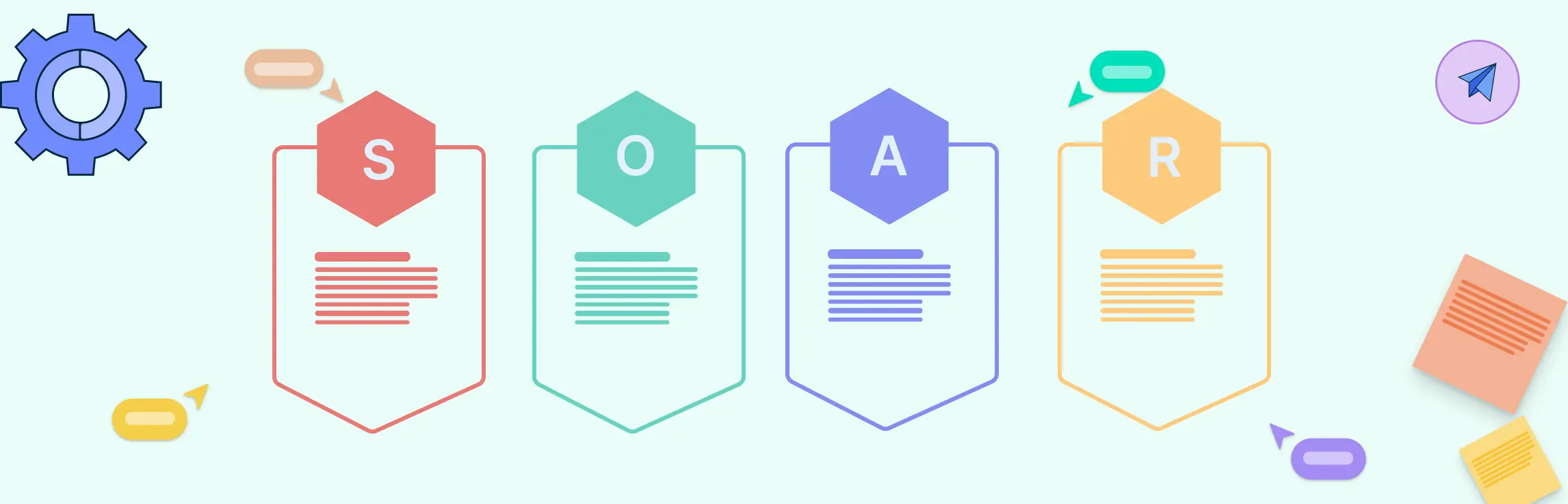
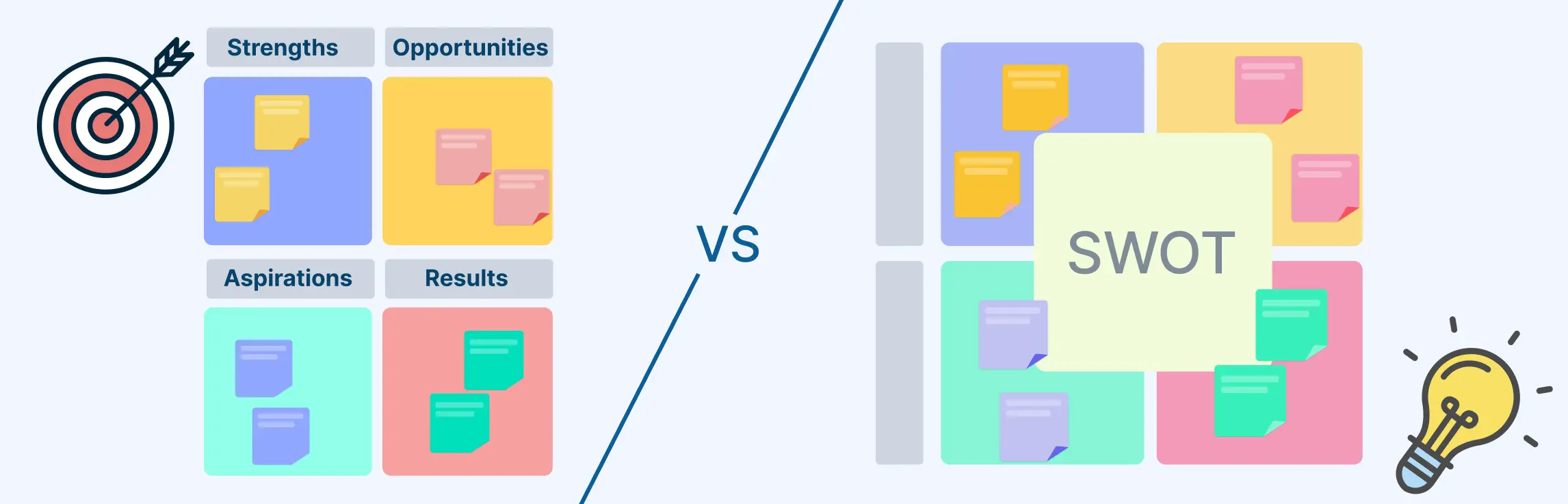
SOAR analysis is a strategic planning framework that emphasizes an organization’s Strengths, Opportunities, Aspirations, and Results. Unlike SWOT, which catalogs weaknesses and threats alongside strengths, SOAR focuses on current capabilities and future potential. Exploring 10 real-world SOAR examples in this guide demonstrates how SOAR drives actionable strategies and energizes every strategic planning session.
Strategic planning begins with asking the right questions—and choosing the right framework. Two of the most popular tools are SWOT analysis and the SOAR framework. While both help align your team and guide decision-making, they serve different purposes.
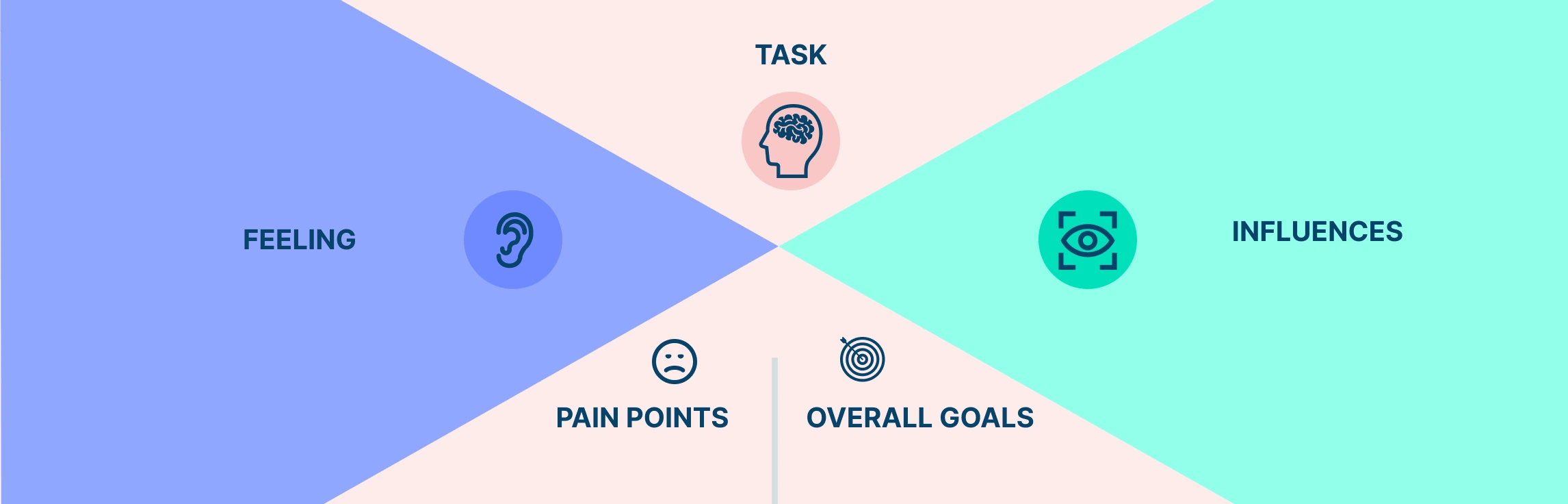
A user empathy map is a collaborative visualization tool that helps articulate what is known about a specific type of user. In design thinking, a UX empathy map helps teams understand users by capturing what they think and feel before creating detailed personas. This enables UX and product teams to keep their decisions focused on real user needs.
What is a Customer Empathy Map A customer empathy map provides a visual tool for capturing what customers say, think, do, and feel. It helps teams build deep empathy with real customer perspectives, informing design, marketing, and product decisions. Originally rooted in UX research, the empathy map has evolved into a comprehensive customer research framework.
What is an Empathy Map Exercise An empathy map exercise is a process used in design thinking workshops to build consensus around real customer attitudes, behaviors, and needs. This is done by plotting what users say, think, do, and feel, on an empathy map, allowing teams to build a shared understanding that drives user-centered ideas.
There is no formal distinction between the terms ‘Empathy Chart’ and ‘Empathy Map’ and the two are often used interchangeably for user research. Empathy map is the standard, well-defined framework, while empathy chart is not officially recognized. We’ll go through each, and look at a breakdown of their differences to help you understand how to use them in practice.
Understanding your customers is key to any successful business. An empathy map is a simple yet powerful tool that helps you see the world from your customers’ point of view. By using empathy maps, you can gather valuable insights into what your customers think, feel, say, and do. This guide will walk you through everything you need to know about an empathy map, from its basic format to best practices, and how to avoid common mistakes. Whether you’re new to empathy mapping or looking to refine your skills, this guide will help you connect with your customers on a deeper level.
What Is a SWOT Analysis for Launching a Product A SWOT analysis for launching a product is a strategic planning framework that evaluates the Strengths, Weaknesses, Opportunities, and Threats associated with bringing a new product to market. SWOT Analysis helps businesses develop a robust launch strategy by leveraging strengths, addressing weaknesses, capitalizing on opportunities, and mitigating potential threats.
SWOT Analysis (Strengths, Weaknesses, Opportunities, Threats) is a powerful tool for marketers to assess their strategies, adapt to challenges, and seize opportunities. Below are 10 practical scenarios where marketing SWOT analysis proves invaluable, complete with examples and free templates you can use.
In today’s fast-paced world, staying ahead in marketing often feels like trying to win a race with no finish line. This is where artificial intelligence (AI) comes in—a powerful tool that’s not just for tech wizards anymore. AI is transforming marketing by helping businesses work smarter, not harder. From automating repetitive tasks to predicting what your customers want before they know it themselves, AI in marketing is becoming an essential part of modern marketing strategies.
As marketing leaders, we’re all too familiar with the challenges of developing a comprehensive strategy and consistently executing on it. It’s easy to get caught up in the day-to-day tasks and lose sight of the big picture. Too often, organizations treat marketing activities as rigid, check-the-box exercises, failing to unlock its true potential. The reality is, with the right mindset and approach, using the right marketing model can transform your marketing efforts, aligning them seamlessly with your overarching business goals.
A successful product launch strategy can make all the difference between a product that thrives and one that struggles to get noticed. Whether you’re introducing a new product to the market or revamping an existing one, having a well-thought-out launch plan is key to creating buzz, reaching the right audience, and achieving your business goals.
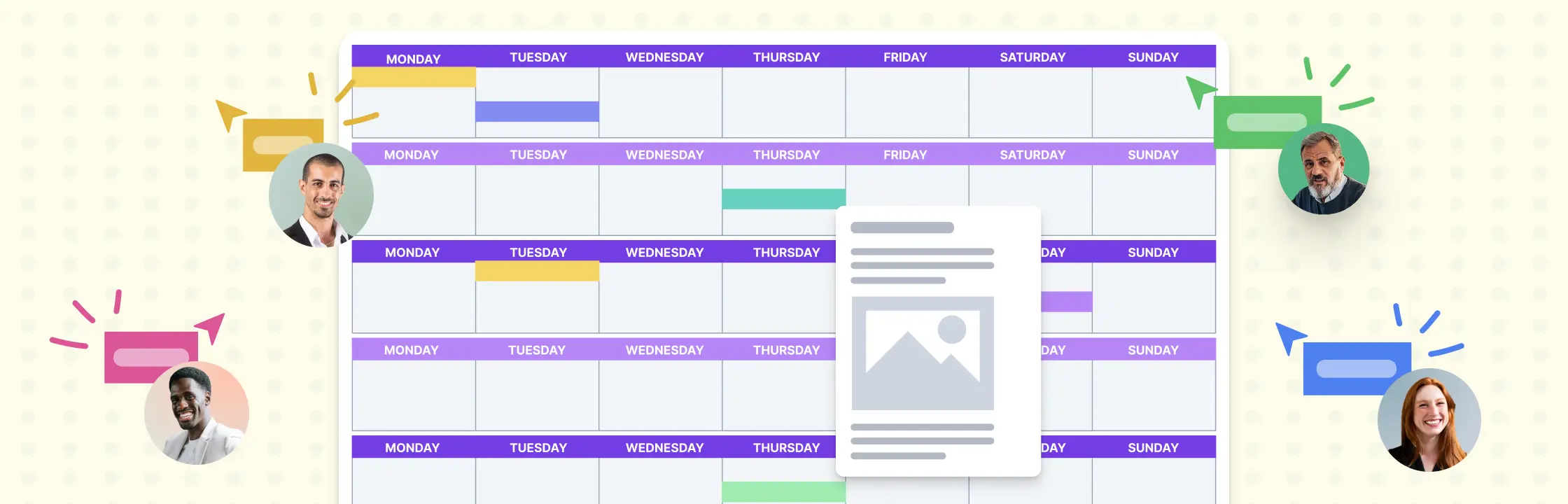
A marketing calendar is like a roadmap for your business. It helps you plan and organize your marketing activities so that everything runs smoothly throughout the year. Whether you’re launching a new product, running a promotion, or simply keeping your audience engaged, a marketing calendar ensures you stay on track and never miss an important date. In this guide, we’ll explain what a marketing calendar is, why it’s essential, and how you can create one that works for your business. With the right plan in place, you’ll be able to make the most of every opportunity and keep your marketing efforts consistent and effective.
In today’s fast-paced marketing world, having a solid strategy is essential for success. One of the best ways to create an effective plan is by using marketing models. These models help you understand your market, define your goals, and execute your strategies more efficiently. This blog post presents a comprehensive list of marketing models to guide you in planning and executing your marketing strategies. Whether you’re a seasoned marketer or just starting out, these models will provide valuable insights and tools to enhance your marketing efforts and achieve your business objectives.
In any organization, effective marketing is key to growth, but without a clear process for submitting and managing requests, things can quickly go off track. A marketing request form helps streamline communication, capture all necessary details, and keep projects on schedule. This guide is here to help marketing teams and managers create a simple yet effective request form that suits their needs. You’ll learn how to build a form that makes handling everything from a quick social media post to a full campaign easier, with templates and tips to help you get started right away.
In an increasingly digital world, a well-structured content calendar is essential for effective marketing. By efficiently planning and organizing content, you can streamline your content strategy, enhance team collaboration, and significantly improve your overall marketing efforts. This guide will walk you through everything you need to know about creating an effective content calendar.
In today’s competitive business world, knowing your rivals is essential. Competitor mapping helps you understand who your competitors are, what they offer, and how they operate. This insight allows you to spot opportunities, avoid pitfalls, and make smarter decisions for your business. This guide will walk you through the basics of competitor mapping, from identifying competitors to analyzing their strategies.
Understanding your competitors is a key part of building a successful business strategy. A competitor analysis framework helps you do just that by providing a structured approach to evaluating your competition. It allows you to identify who your competitors are, what they’re doing well, where they’re falling short, and how you can position your business to stand out.
What is Operational Marketing? Operational marketing is the backbone of any successful marketing strategy. It encompasses all the short-term and medium-term techniques and means employed to reach marketing objectives defined in the strategy. This involves promoting products and services to boost company sales and turnover. Unlike strategic marketing, which focuses on long-term objectives and market analysis, operational marketing is action-oriented and deals with the present market and immediate opportunities.
Strategic marketing frameworks provide a structured approach to understanding market dynamics, identifying opportunities, and making informed decisions. One such model is the 3Cs Framework of marketing, which focuses on the Company, Customers, and Competitors. This framework offers a holistic view that ensures marketing strategies are aligned with both internal capabilities and external market conditions.
As we approach 2024, the significance of marketing operations (MOps) continues to elevate. Marketing operations integrate people, processes, and technology, forming the backbone of successful marketing strategy execution. Specifically, Marketing Operations bridge the gap between marketing strategies and their execution, ensuring a seamless alignment with overarching business goals.
Managing marketing resources effectively is key to running successful marketing campaigns. From planning to execution, having the right resources in place can make a significant difference in achieving your marketing goals. In this guide, we’ll explore what marketing resource management (MRM) is, why it’s important, and how you can implement it effectively in your organization.
To succeed in a crowded marketplace, it’s crucial to have a clear positioning strategy that sets your product or service apart. With many choices available, your strategy should highlight what makes your offering unique and valuable. This means understanding your customers, knowing your competitors, and focusing on what sets you apart. A strong positioning strategy helps attract and keep customers by creating a memorable brand that stands out from the competition. This guide will take you through the essential steps to develop a positioning strategy that boosts your brand’s visibility and attractiveness.
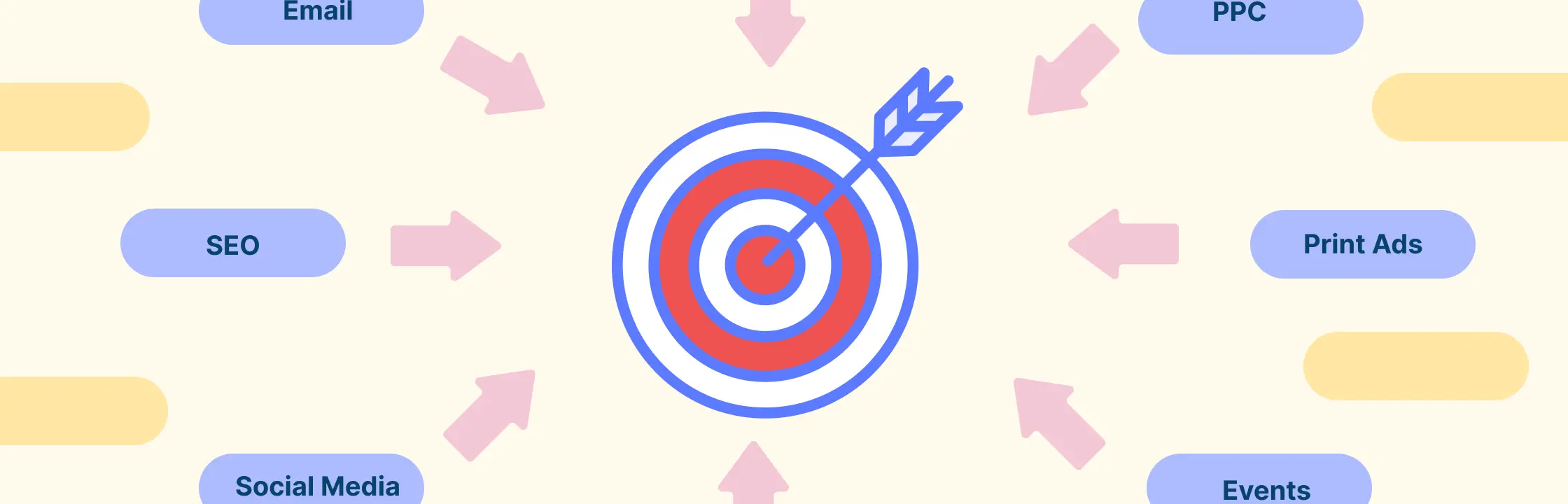
Marketing tactics are the specific actions you take to make your marketing strategy work. While your strategy outlines your goals and overall plan, tactics are the practical steps you take every day to connect with your audience, increase brand awareness, and drive sales. They are essential for turning your big-picture ideas into real, measurable results. In this guide, we will explore 70 marketing tactics examples to boost your business.
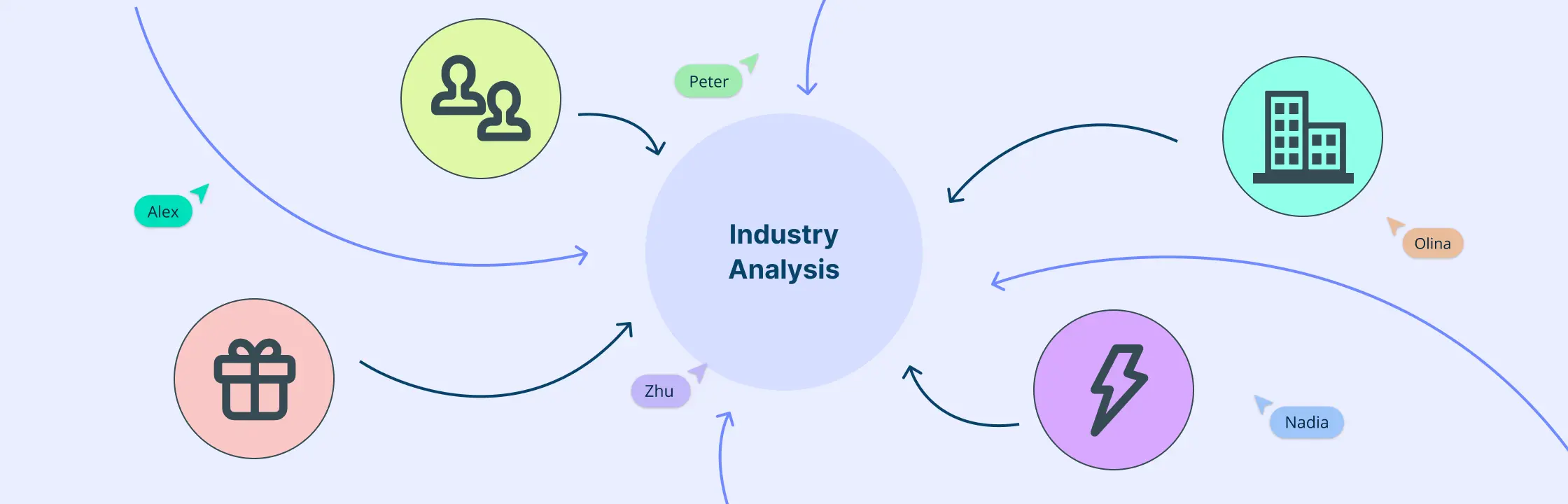
Understanding the industry you operate in is crucial for any business. An industry analysis helps you see the bigger picture of your market, recognize the forces at play, and identify opportunities and threats. Whether you’re starting a new business or looking to grow an existing one, conducting an industry analysis can provide valuable insights. In this guide, we will walk you through the steps to conduct a comprehensive industry analysis.
A promotional strategy is a comprehensive plan to communicate your product or service’s value to your target audience. It involves a series of actions designed to boost awareness, interest, and sales. In today’s competitive market, having a well-thought-out promotional strategy is crucial for business success. This guide will take you through everything you need to know about creating an effective promotional strategy, complete with tips and templates to help you along the way.
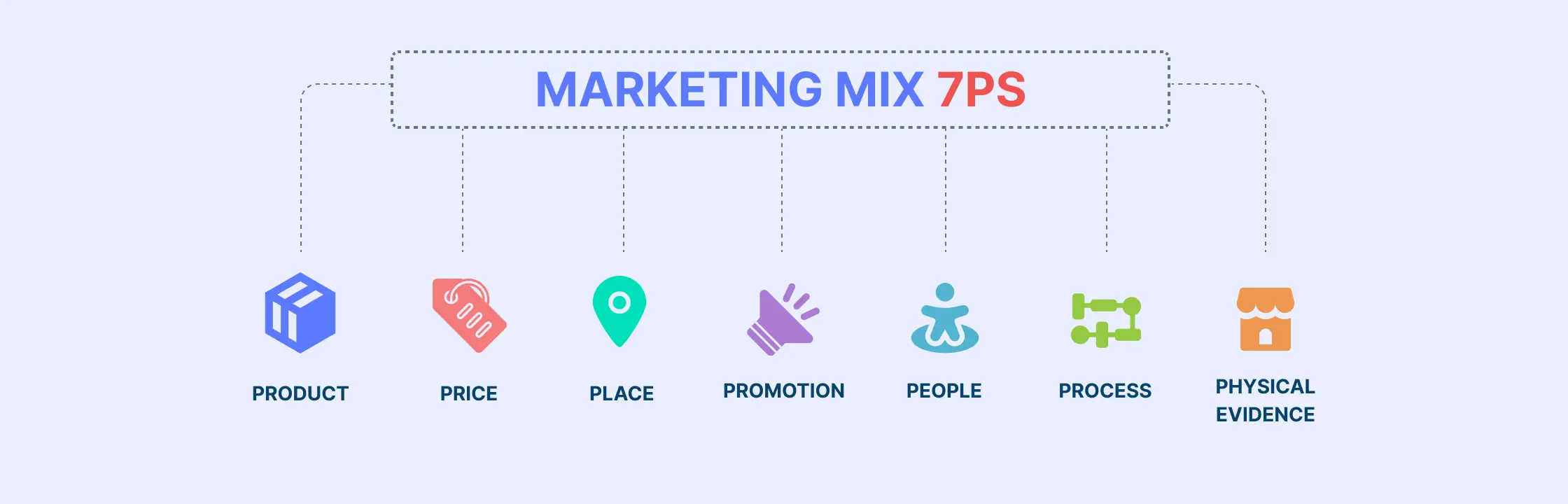
Effective marketing is essential for business success, requiring a strategy that encompasses all aspects of operations. The 7 Ps of Marketing - Product, Price, Place, Promotion, People, Process, and Physical Evidence - offer a comprehensive framework to help businesses achieve their goals. This guide explores each element of the 7 Ps, offering practical insights and strategies to implement them successfully in your marketing plan.
Lead generation stands as a cornerstone in the architecture of successful business growth, serving as the initial step in the journey from potential customer interest to actual sales conversion. But what exactly is lead generation, and why is it so crucial for maintaining a robust sales pipeline?
Ever felt overwhelmed by the sheer number of marketing options available? Social media, email marketing, content creation – the list goes on! But before you dive headfirst into every tactic, it’s crucial to understand the bigger picture. That’s where marketing strategy and tactics come in.
Understanding the distinction between a marketing strategy and a marketing plan is crucial for effective marketing. Although these terms are often used interchangeably, they represent different aspects of a comprehensive marketing approach. This post will clarify these concepts, highlighting their roles, components, and the importance of aligning them effectively.
In marketing, two terms you’ll hear a lot are lead generation and demand generation. Though they might seem alike, they actually have different jobs in getting customers. It’s important to know the differences between them to make your marketing work well. In this blog, we’ll explore what sets them apart, how they’re alike, and how to use them effectively.
In the realm of business strategy, making informed decisions is key for success. Strategic management provides a framework for guiding these decisions, making sure that resources are allocated effectively and goals are achieved. One of the fundamental tools in strategic management is the BCG Matrix, a simple yet powerful model for analyzing and managing a company’s portfolio of products or services. In this guide, we will look at the role of the BCG matrix in strategic management and how to effectively use it for portfolio analysis and decision making.
Mastering Demand Generation Strategy for Sustained Business Growth Today, businesses face tough competition and are always looking for new ways to grab the attention of their target customers and turn them into loyal buyers. One key method they use is called demand generation. It’s all about sparking interest and excitement in a product or service to boost sales.
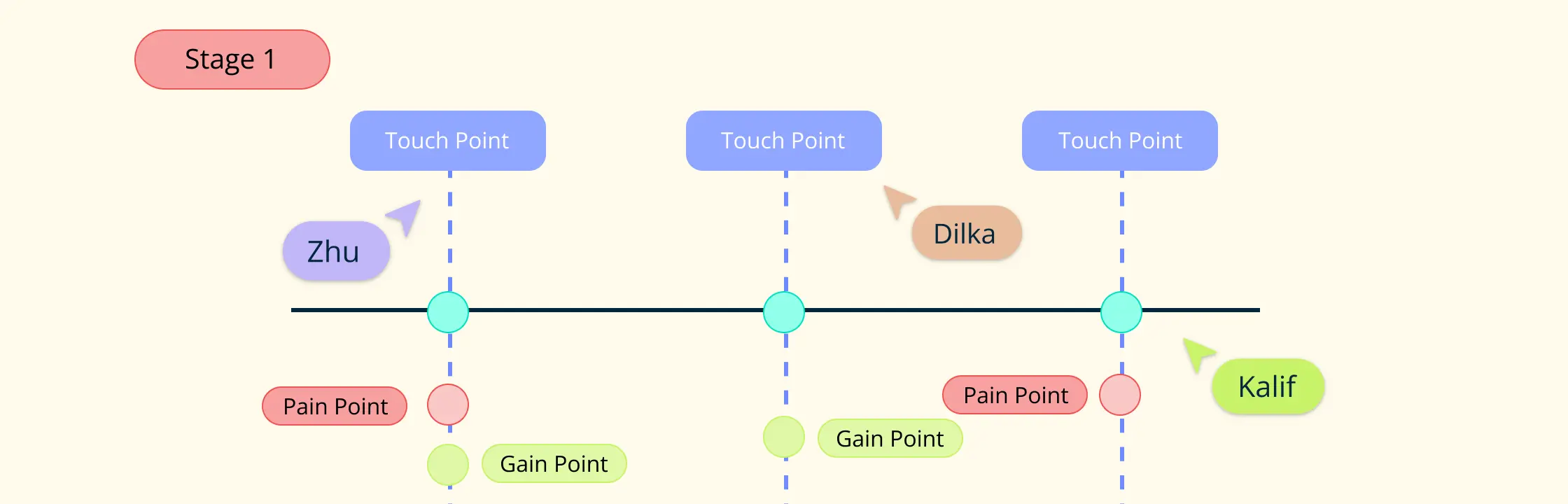
Identifying and effectively mapping customer journey touchpoints are crucial steps in enhancing the customer experience and fostering brand loyalty. By understanding every interaction a customer has with your brand, you can create a seamless and personalized journey that not only meets but exceeds their expectations.
In the fast-paced world of business, there’s one thing that remains constant: the importance of customer experience (CX). In fact, studies show that companies with a strong CX focus outperform their competitors in terms of revenue and customer loyalty. So, how can you ensure your business stands out in this competitive landscape? The answer lies in crafting a winning customer experience strategy.
In business, it’s crucial to understand and meet customer demand to succeed. Demand management involves strategies to understand and shape what customers want. This guide explores its importance, basic principles, and strategies for businesses aiming to do well in today’s fast-changing market.
Despite 82% of marketers believing they meet customer expectations, only 10% of customers feel their expectations are truly met. This disparity highlights the critical need for a robust customer experience management framework that bridges the gap between customer perceptions and business assumptions. By integrating a customer experience framework, companies not only foster improved customer relations but also drive business growth and innovation.
In today’s competitive market, providing exceptional customer experience isn’t just a bonus — it’s a necessity. Studies have consistently shown that consumers are willing to pay more for a better experience, and they’re quick to abandon businesses that fail to meet their expectations. So, how can you ensure that your customers keep coming back for more? Here are ten actionable tips, complete with templates, to help you improve customer experience and foster long-lasting relationships.
Understanding customer pain points is important in any business context, as these are the specific problems that potential and current customers experience during their journey with a product or service. Identifying and resolving these pain points not only improves customer satisfaction but also significantly impacts customer loyalty and business growth. In this guide we will look at what customer pain points are, how to identify them and solve them.
Understanding the specifics of your industry is key to staying ahead of the curve. That’s why conducting a thorough industry analysis is essential for making informed decisions and driving strategic growth. Fortunately, there’s plenty of industry analysis templates available to guide you through this process and give you valuable insights about your competitive landscape. In this guide we have listed 20 industry analysis templates to study your competitive landscape along with ready-to-use templates.
Starting a new venture can be both thrilling and challenging, and having the right tools at your disposal can make all the difference. In this guide, we’ve curated a collection of essential templates designed to simplify every aspect of your startup journey. Whether you’re in the initial planning stages or navigating growth and innovation, these startup templates are here to streamline your processes, boost efficiency, and set you on the path to success.
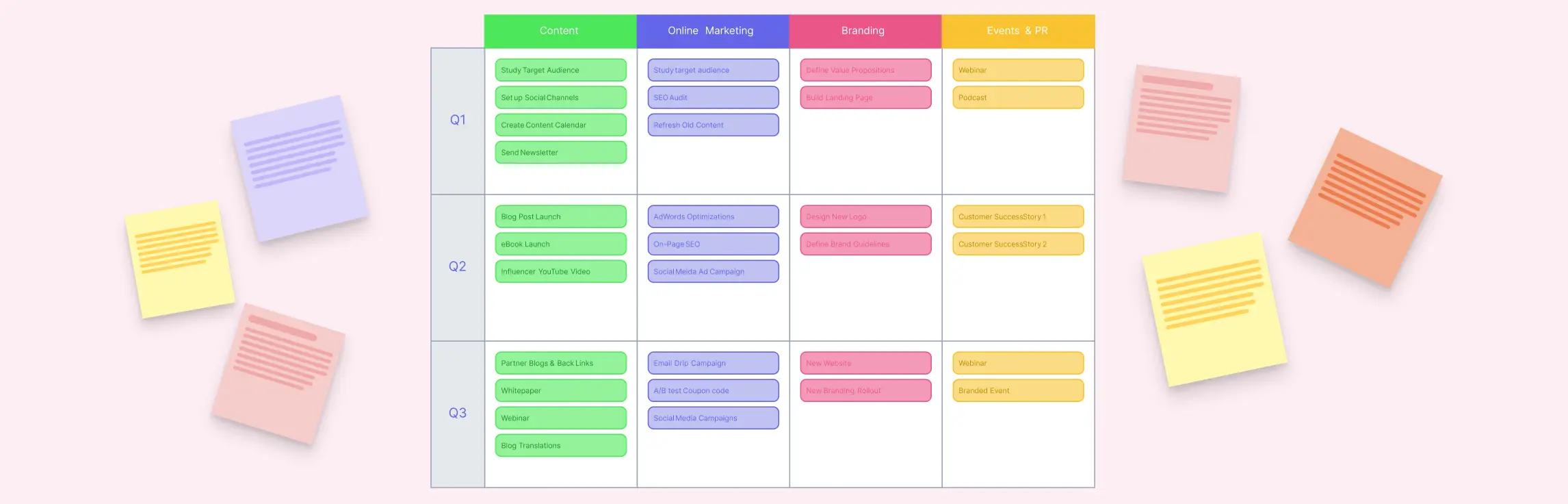
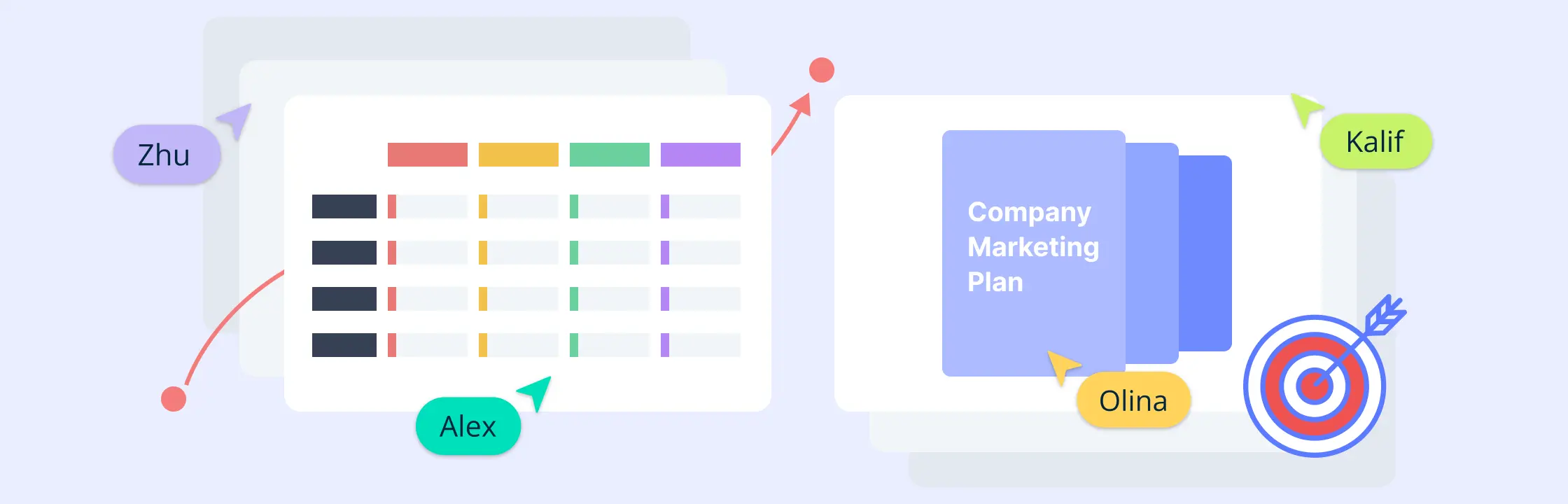
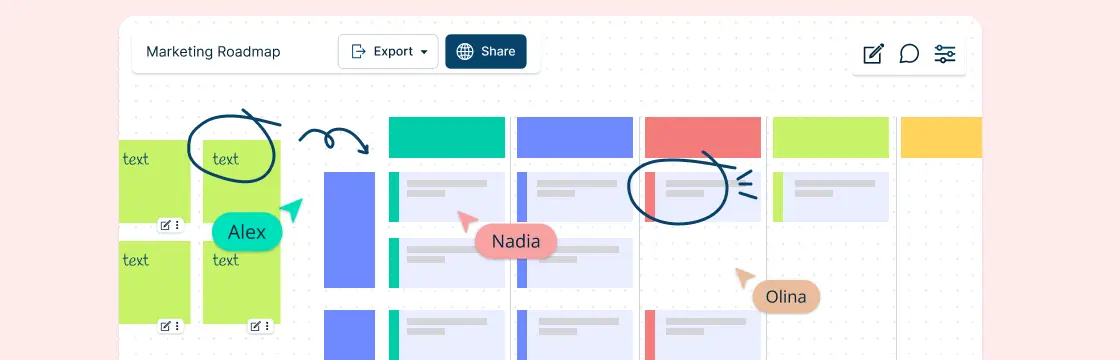
A marketing roadmap is a high-level plan that outlines the key marketing initiatives and goals you want to achieve over a set period of time, typically a year. It helps you organize and prioritize your marketing efforts so you can make the biggest impact. In this blog post, we will walk you through the steps to create an effective marketing roadmap for your business along with templates.
Customer segmentation is a strategic approach to understanding and categorizing your customer base. It helps businesses customize their approach, making products and marketing more effective. And in this guide we will share what is customer segmentation along with insights and tips on how to use customer segmentation to boost satisfaction and overall success.
Looking for a strategic planning tool that shifts focus from problems to potential? Enter SOAR analysis—a strengths-based framework that helps teams align around what’s working and envision what’s possible.
You’ve probably heard of Net Promoter Score (NPS), the popular metric that measures customer loyalty and satisfaction. But do you know how to use it effectively to grow your business and improve your customer experience?
Sometimes it feels impossible to maintain consistency in content creation when deadlines loom, and inspiration wanes. Using a Content Calendar Template is a solution to streamline content strategy. This simple tool is more than just a schedule; it unlocks content creation success. In this blog, we’ll explore the power of content calendars.
An effective marketing planning process ensures your efforts are focused, your objectives are clear, and your campaigns are both creative and results-driven. It acts as a roadmap that keeps your marketing activities on track.
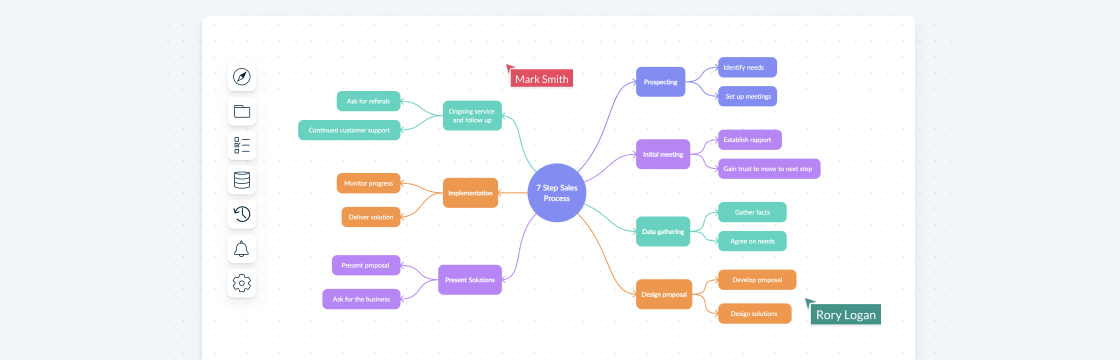
A well-structured sales process flowchart is essential for streamlining sales operations, improving efficiency, and driving revenue growth. By visually mapping out each stage of the sales journey, businesses can identify bottlenecks, optimize workflows, and enhance overall sales performance.
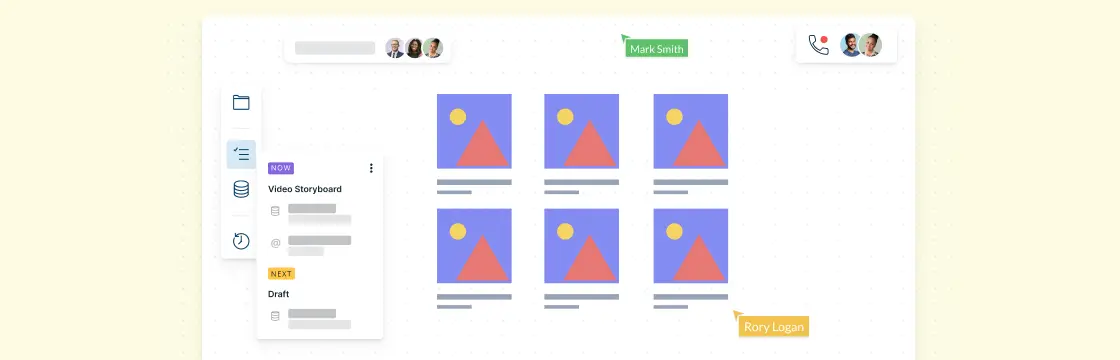
Making a great video isn’t easy. Out of billions of marketing videos, only a few truly hit the mark. The secret? Planning—and not just your script. A good storyboard lets you see your video before you shoot it, tweak ideas, and create a final version that really works. This guide shows you how to make a storyboard the easy way—you can even start before your script, making the whole video process smoother and more creative.
To any business, customer service is a crucial element; especially since how you treat your customers will decide how they perceive your brand. Lack of proper customer service will result in unsatisfied customers who will leave you for your competitors.
If you want to design smoother experiences and reduce friction across key user paths, this guide will help you understand what to map, how to structure a user flow diagram, and how to use it to make better product decisions with more confidence.
When launching a product there aren’t guaranteed methods for success, especially since every product is unique and every product has a different audience of its own. But having a well-crafted plan to launch a product can help avoid failure.